Catalytic Converter Tuning: How OEMs Protect Cats at High Power
Catalytic converter tuning is critical to building reliable, emissions-compliant performance engines. While many enthusiasts focus on avoiding knock and mechanical failure, improper spark timing and fueling can generate excessive exhaust gas temperatures that destroy catalytic converters. Even a supposedly “safe tune” can cause expensive damage when a supercharger, turbocharger, or camshaft upgrade changes engine operating conditions.
Fortunately, OEM engineers have spent decades developing strategies to protect catalytic converters in high-horsepower vehicles. Understanding these strategies helps aftermarket tuners deliver more power without sacrificing emissions performance or catalyst durability.
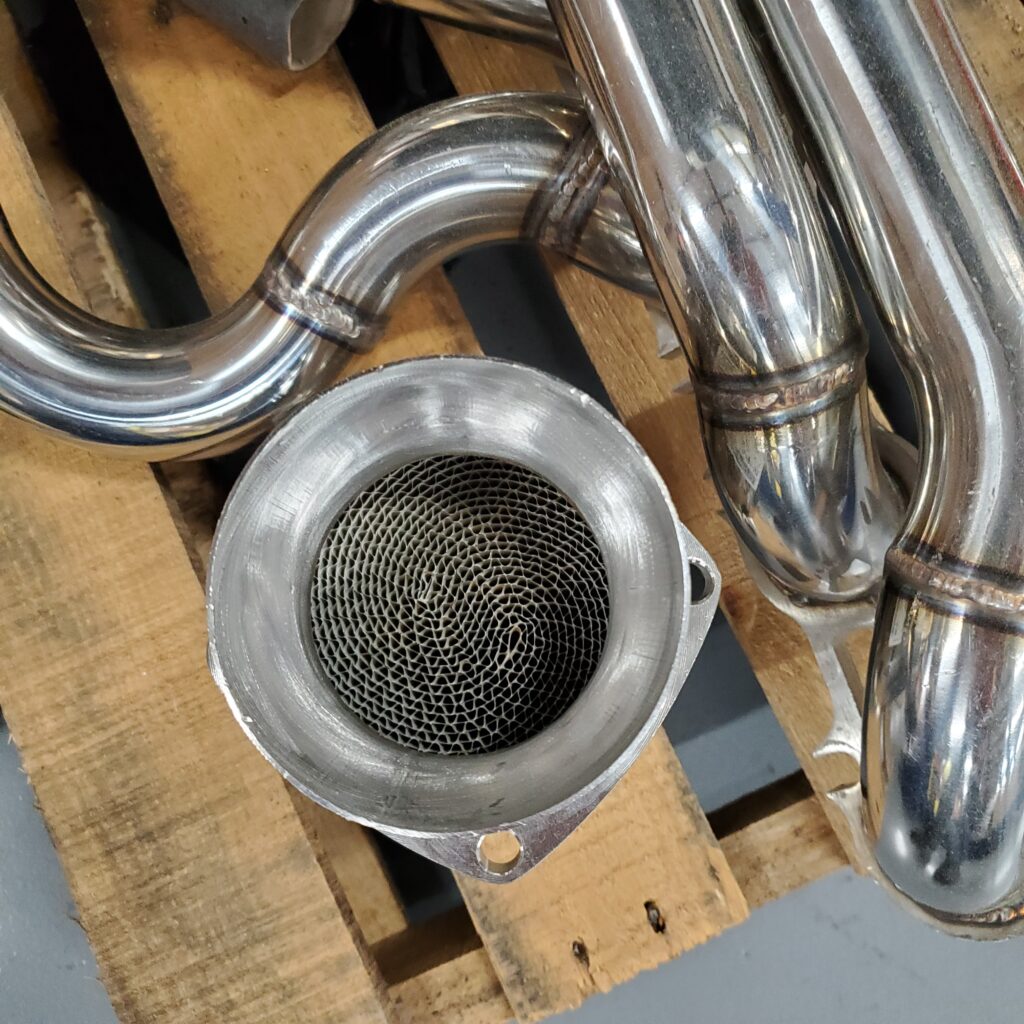
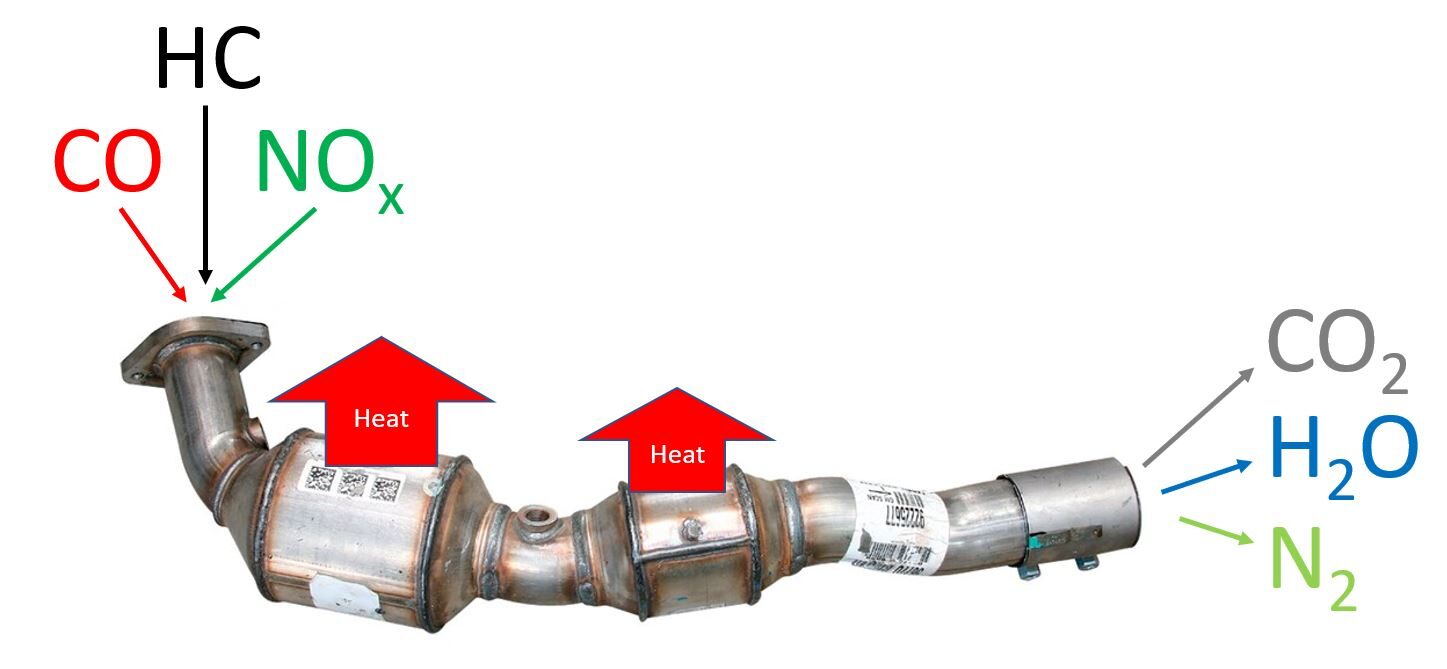
Part 2 of the “Elephant in the Room” articles I wrote for Hot Rod Magazine talks about how catalytic convertors work and how OEMs are able to keep them alive even in high-powered vehicles.
In our first part of this series, we took a look at the various strategies and hardware used by OEMs to help powerful engines pass today’s stringent emissions standards. I mentioned earlier that responsible modification includes keeping critical emissions equipment intact. For gasoline-fueled engines, that primarily means the catalytic convertors in the exhaust.
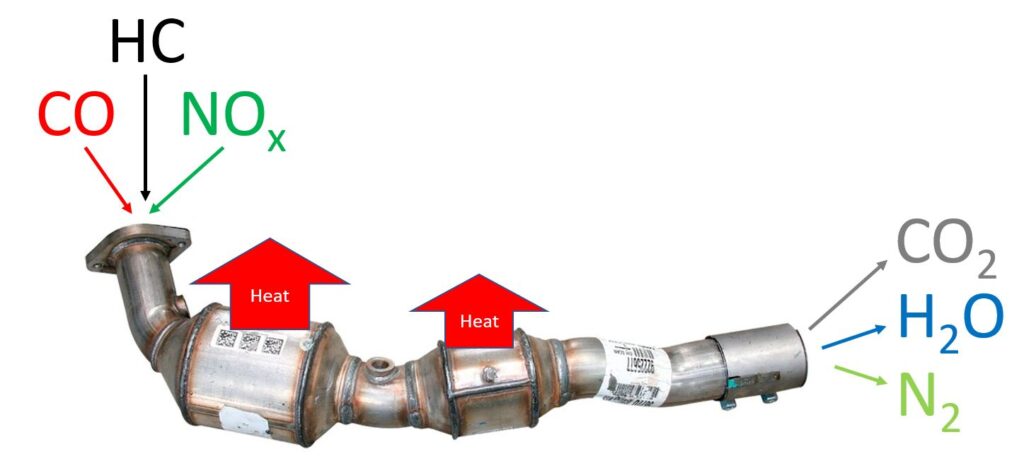
The article first takes a look at what a catalytic convertor is and how it really works. After that, we dive into how this applies to our high performance vehicles. I know we ruffled some feathers in an earlier debate about exhaust temps and “conservative tuning”. I wrote this article long before that debate erupted, and the science remains the same.
Your Safe Tune Might Not Be All That Safe
Less experienced tuners will often send a customer off with what is affectionately called a “safe tune,” where their primary concern was avoiding damage from spark knock or excess rpm. While I certainly agree that these should be avoided, there is more than one way to accomplish the task. I read in forums all too often about enthusiasts who are confused or upset that their cats failed shortly after an upgrade like a supercharger or heads and a cam. The root cause is almost always in the ECU tune instead of their hardware choice. Contrary to popular belief, you do not automatically need a set of long-tube headers and a cat delete just because you installed a supercharger.
The infamous “safe tune” or “starter tune” can be a catalyst’s biggest enemy. Running a lower spark advance at WOT (hoping to avoid knock on a given fuel octane) also tends to drive exhaust gas temperatures upward. When we are flowing massive amounts of air and fuel through the engine, changes in exhaust temperature very quickly translate into changes in catalyst temperature, too. The later the combustion event, the more unburned air and fuel is able to enter the catalyst and feed the fire that may overheat it. Every time the driver goes to WOT, a little more of the precious metal is burned off the substrate or a little more thermal shock occurs to the supporting structure. Cat failure is just a matter of time in these cases.
Need Help with Performance Tuning and Catalyst Protection?
Making more horsepower shouldn’t mean sacrificing catalytic converter durability or emissions compliance. Calibrated Success provides professional ECU calibration support, emissions tuning, and engineering consulting for modified street vehicles, supercharged and turbocharged engines, and aftermarket performance manufacturers.
Whether you’re developing a new performance package or troubleshooting catalyst failures, we can help identify calibration problems and develop solutions based on sound engineering principles.
Learn more about our calibration support services.
Don’t forget to check out how we helped Summit Racing double the power while cutting emissions in half.
How Do We Go from “Tuned” to Passing Emissions?
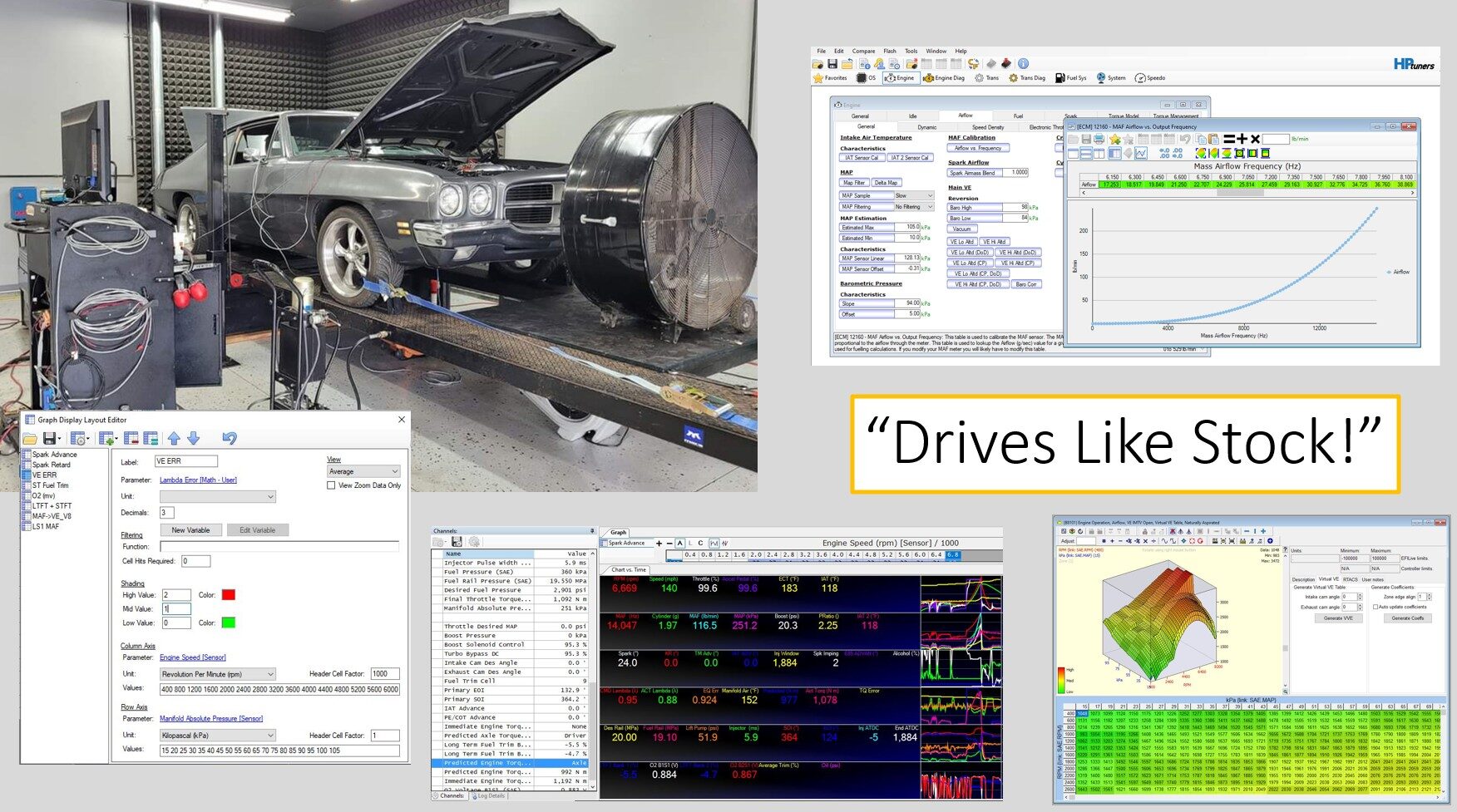
Plenty of modified vehicles get “tuned” in the aftermarket. Far fewer are actually prepared to pass an emissions certification test. Aftermarket emissions tuning requires more than making a vehicle run well, produce good power, and maintain acceptable drivability. The calibration also has to control tailpipe emissions under the specific operating conditions encountered during laboratory testing.
That gap between a vehicle that “runs good” and one that is ready for EPA or CARB emissions testing was the subject of a presentation I originally created for the SEMA ETTN Emerging Trends and Technology Network virtual education series: Bridging the Gap from “Runs Good” to Emissions Certification.
For aftermarket manufacturers, tuners, and specialty vehicle builders, understanding that difference before entering the emissions lab can save a substantial amount of development time and money.
What feels good on the street may actually be quite far away from where we need to be to pass today’s stringent emissions standards under laboratory conditions. A big part of this is how we measure the tailpipe emissions before we commit to going to the lab.
Reduce the Cost of Emissions Certification Testing
Lab time is EXPENSIVE. A single round of testing can easily cost $4-8k. It costs the same whether you pass or fail too. That makes pre-certification emissions development particularly valuable. Measuring tailpipe emissions during the calibration process allows us to identify high NOx, CO, HC, or other emissions problems before committing to expensive certification testing. The objective isn’t to replace the certified laboratory. It’s to do more of our homework outside the lab before we show up.
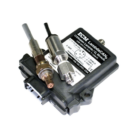
We like to use additional tools like our MiniPEMS monitoring system to get a better look at what’s really coming out of the tailpipe. As a driver, you are unlikely to feel when the vehicle may be making tons of NOx or CO emissions. In fact, sometimes the car feels great to the driver here, but we just can’t let that slip when we head to the lab. Understanding where the emissions are being generated and making the calibration updates ahead of time puts the project in far better shape before that first lab test on a CVS column.
We’ve used this same development approach on client projects such as the Flyin’ Miata NC turbo kit, where calibration, emissions development, and laboratory validation ultimately contributed to a certified emissions-legal performance package.
Watch: Bridging the Gap from “Runs Good” to Emissions Certification
In this SEMA ETTN presentation, Greg Banish explains the additional calibration, measurement, and testing work required to move an aftermarket vehicle from simply running well toward emissions certification readiness.
Need Help Preparing for Emissions Testing?
If you’re developing an aftermarket performance product or modified vehicle for emissions certification, it’s much cheaper to find problems during development than during an official laboratory test.
Calibrated Success provides emissions tuning, calibration development, portable emissions measurement, and pre-certification testing support for aftermarket manufacturers and specialty vehicle projects. We can help identify emissions problems, refine the calibration, and improve the vehicle’s readiness before committing to expensive laboratory testing.
Learn more about our emissions tuning and testing services or contact us to discuss your project.
Double The Power and Half The Emissions?
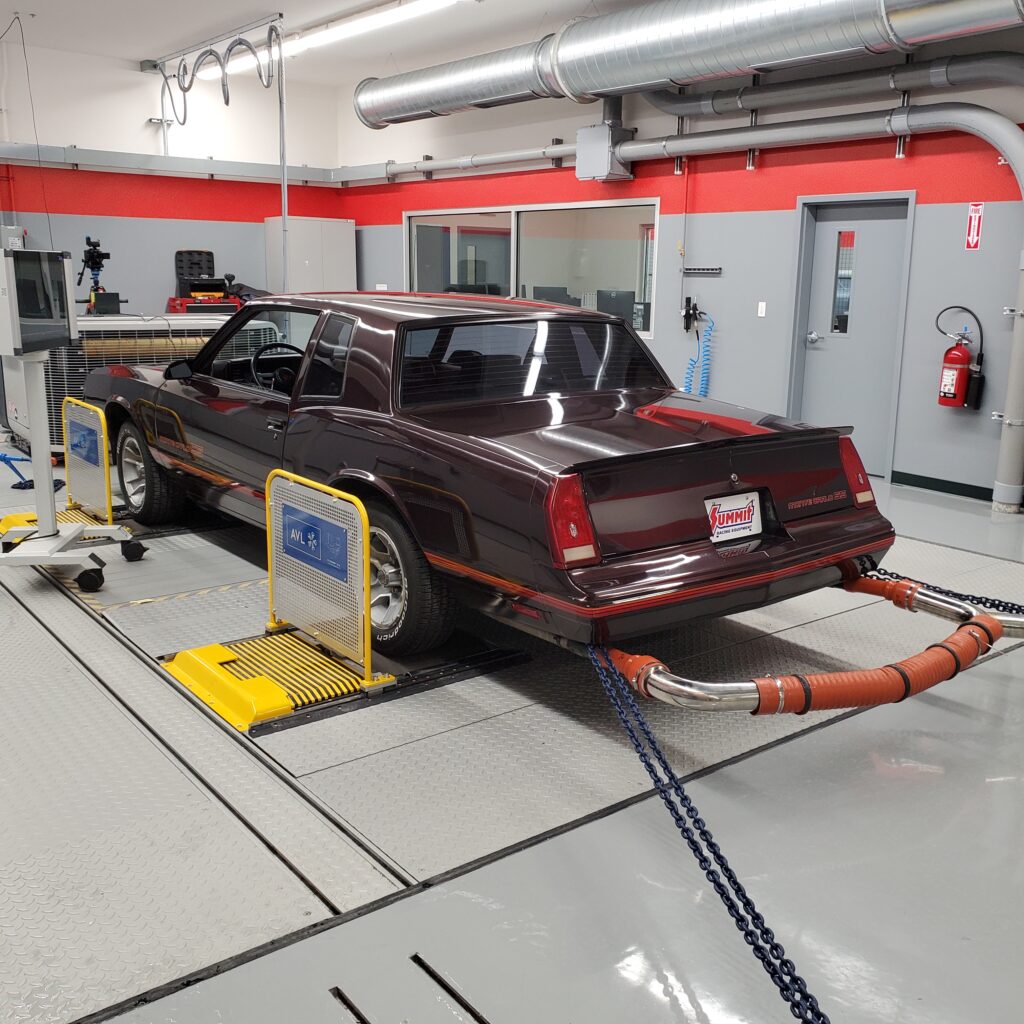
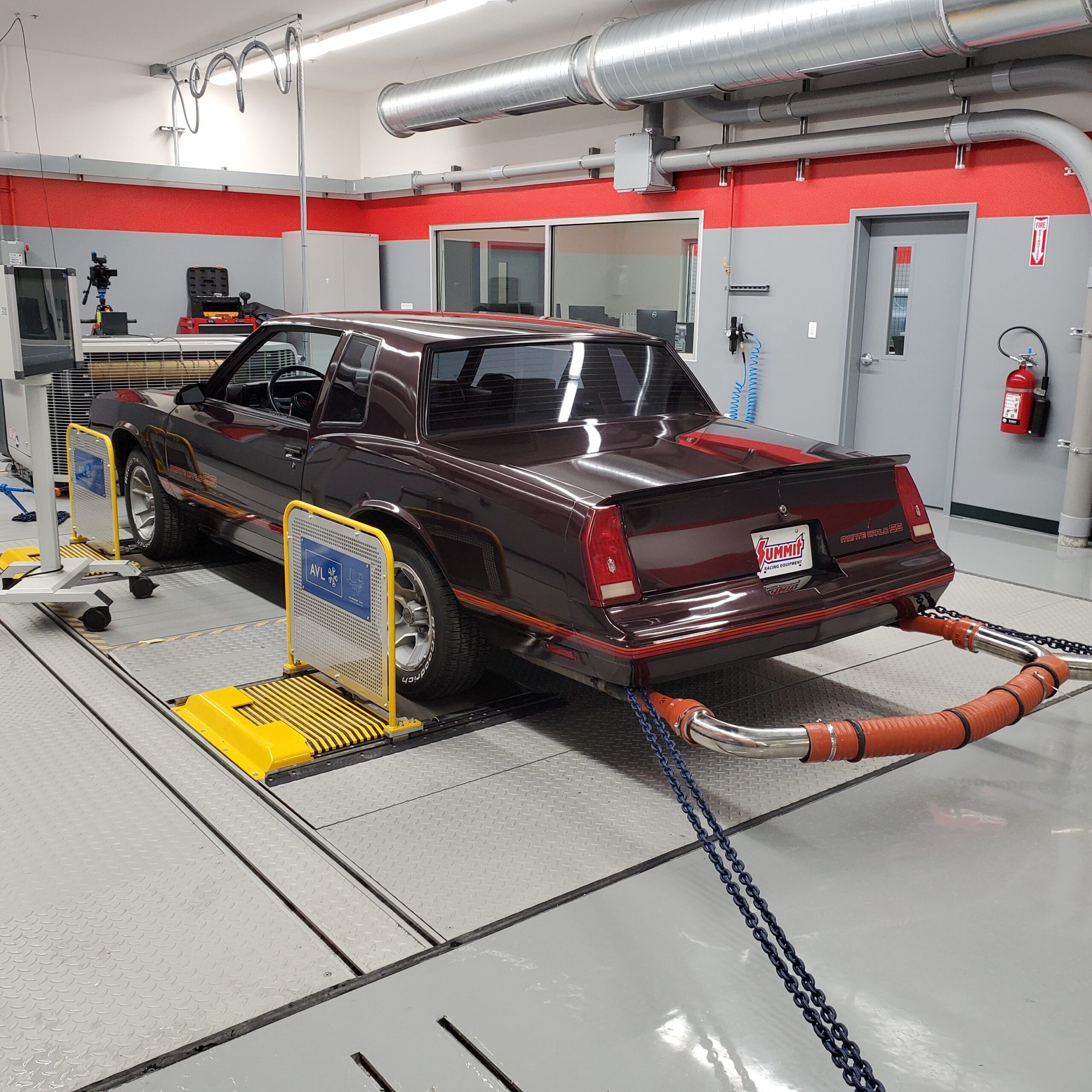
Oh yes we did – more than double the power with less than half the emissions. A project that started as a conversation a few years ago turned into a great demonstration of how the aftermarket can be great stewards of the environment while still delivering what our customers crave.
The Big Question
Al Noe from Summit Racing Equipment asked “do you think we can modify car, double the power, and cut the emissions in half?” My answer was “almost certainly”, depending upon where we start. Al chose what was a pretty typical vehicle for the industry, an older V8-powered muscle car with a strong following of performance enthusiasts and available parts.
We started with baseline measurements on a car that had over 90,000 miles of unknown maintenance history just to see where it stood. To be honest, initial results were a little ugly. But that left lots of room for improvement – and improve we did.
Through several stages of modification, ranging from typical bolt-ons to complete engine swaps, we carefully documented our progress along the way. Some great lessons came from this. Most notably:
- Maintenance really helps keep things running clean and preserves power. A poorly maintained vehicle loses power and makes more emissions simultaneously.
- Even if CARB hasn’t approved this approach yet, we have hard data that proves our modified vehicle with a fresh engine makes a LOT less pollution than the original unmodified configuration.
We’re hoping that rule makers are paying attention here. If we really want to clean up the air, properly installed parts and tuned vehicles that retain a working catalytic convertor can make a big net positive change here.
Watch the final report below:
Metal Temperatures, EGTs, and “Conservative Tuning”
Just How Hot Are Your EGTs When the Headers Glow?
The answer is “it depends”. But what is not up for debate is the science behind glowing metal. At the very basis of this discussion, we must first acknowledge that metals like stainless steel don’t glow unless they’re heated by something warmer than them. In the case of exhaust headers, that heat comes from the spent combustion gases whose temperature varies based upon load, relative AFR, spark timing, cam timing, and a couple other things.
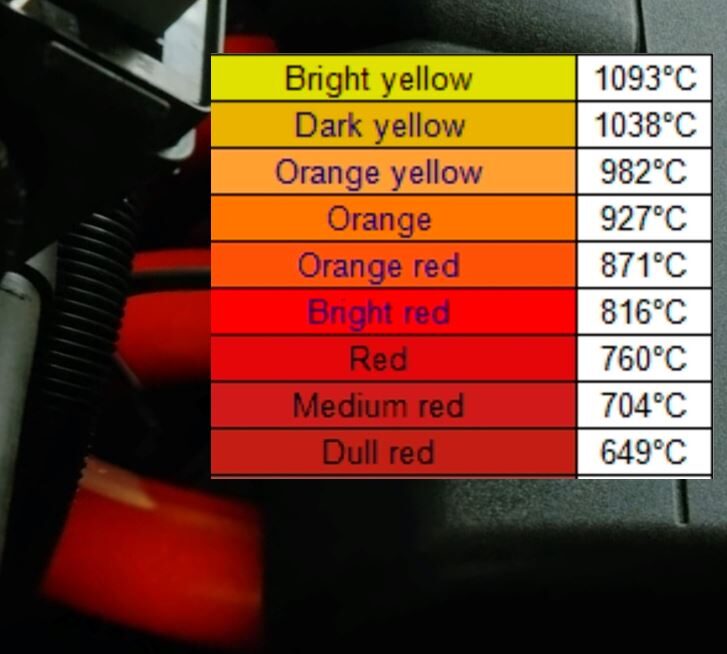
Let’s start with finding out what metal skin temperature correlates with colors we might see. A quick search dug up THIS SITE with a handy chart for stainless steel alloys along with more information on the base metals.
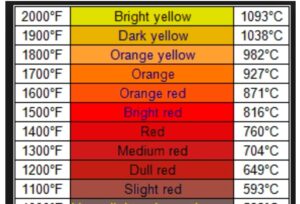
Even more info HERE. Is this guide between metal temp and observed color absolutely perfect? NO. Other factors can play in here like surface finish, prior heat cycles, aging, available oxygen, and alloy batch. (Thanks to Dr. Lesko for chiming in here!) But it gives a general correlation and some estimates from which we can begin to work.
For reference, Kook’s Headers are made from 16 gauge 304 Stainless according to THEIR WEBSITE. This correlates with our reference material property chart at right.
The point here is that if we can see a significant color change in the outer skin of the exhaust, logic says that the inner skin is likely warmer, and the gases heating that inner skin are warmer yet. OEMs estimate this exhaust gas temp using a model based upon thermocouple data taken during the development phase before cars reach the showroom. Engineers spend countless hours making sure this model is close enough that they can use it to know when they must do something to keep EGTs below the temperature thresholds that typically damage the catalyst, around 950-1000° C. They’ll then employ “Catalyst Overtemp Protection” that kicks in at some (estimated) EGT threshold to help avoid damaging the expensive catalysts that must be warrantied for the Full Useful Life (FUL) in terms of emissions requirements. Understanding the link between AFR and flame speed, they also adjust (add) timing when running richer in the PE/COT Correction table.
For Federal Tier 2 light duty vehicles starting in 2004, FUL was at least 100,000 miles. Current Tier 3 standard go to 150,000 miles. OEMs don’t want to have to buy people new catalysts in this time due to preventable temperature related failures.
If we are doing our own aftermarket calibration, we can choose whatever combination for AFR and spark we deem appropriate for our goals. There still exists a tradeoff between power, AFR, spark, and EGT where some combinations of AFR and spark might make good power, but with elevated EGTs. Generally speaking, running richer with more spark advance lowers these temperatures just like the OEM COT strategy, and might even stay close on total power delivered. The exact balance here will be unique to the hardware combination and fuel spec. Whatever we choose will determine the EGTs that get passed downstream to the catalyst on street cars. Our objective should be to keep those temperatures reasonably safe while making good power.
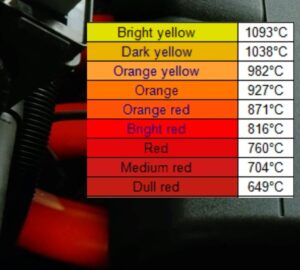
OK, so that’s skin temperature. How do we find EGT if we don’t have thermocouples in the vehicle because it just isn’t practical on a typical install and dyno tune? Let’s fire up the AI and let bring in the appropriate equations to solve for heat transfer just like we did in Dr. Berg’s class back at Kettering in the 90’s. This science hasn’t changed, and AI is really good at doing this sort of math when given a decent prompt. Let’s assume this is a garden variety mid-500’s HP LSx street car running 12.3:1 AFR:
What temperature would the exhaust gases need to be to make the outside skin temperature of a 16 gauge 304 stainless exhaust manifold glow orange-red (approximately 816 C)? The hood is open, so assume air temperature in the engine bay surrounding the exhaust manifold is 200 degrees F 2000cfm cooling airflow. The engine is making approximately 580hp, so this would be 58lb/min or airflow. Air-fuel ratio is 12.3:1, making to total exhaust flow 62.7 lb/min.
If you copy that prompt into ChatGPT, it will faithfully execute calculations for both radiant and convective heat losses to balance the equations and find the require input EGT. Mine thought for all of 24 seconds before answering. Because there are still a few variables, it gives us a range of 1250-1400° C. It had to make some assumptions about convection rates and surface area, which is why I estimated low-ish on those. If the cooling airflow or surface area is higher, it actually makes the situation worse since the required input temperature required to get that skin temperature would be even higher when fighting more outside cooling.
For a real open-hood engine bay with strong fan airflow, I’d use:
approx 1250–
or:
2280–2550∘F
That is extremely hot for a gasoline turbo/exhaust manifold. If the manifold skin is truly 816°C, the gas is probably well above normal full-load safe EGT unless there is severe ignition retard, afterburning in the manifold, lean operation, or unusually poor internal heat transfer.
The robot also seems to have its own assessment of our estimated temperatures. Its words, not mine there. Play around with different surface temps in the prompt and you can get a feel for the relationship between EGT and manifold color. The reality is that we’re probably not 1400 C in this example, but we’re probably still well over where GM would have left it, especially for a naturally aspirated engine that isn’t fighting turbine backpressure. Again, GM would have stepped in pretty swiftly around 900 C.
So where do we go from here?
As the calibrator, you have several choices. If the engine really is at the knock limit, you can’t add more timing. That narrows it down to adding fueling. As we add fuel, it slows combustion and actually wants more timing while the knock limit usually moves slightly further away. If it wasn’t knocking yet, adding more timing seems obvious other than “staying conservative”. Modern knock control is pretty good, so we’re able to run closer to the limits sometimes as long as we have faith that the sensor will catch it and make the right adjustment in time. Admittedly, that can be a big “IF” with modified engines.
But this explains why GM might be running 26° of spark on the LT4 at WOT. They can only get away with that when all the extra fuel is also present. It depends on the specific combustion system how this tradeoff pans out. Your number might not be 26°, but going artificially low does risk having incomplete combustion in the cylinders and leaving more of that energy in the exhaust gases on the way out. YOU have to decide what’s appropriate for each combination while understanding these tradeoffs.
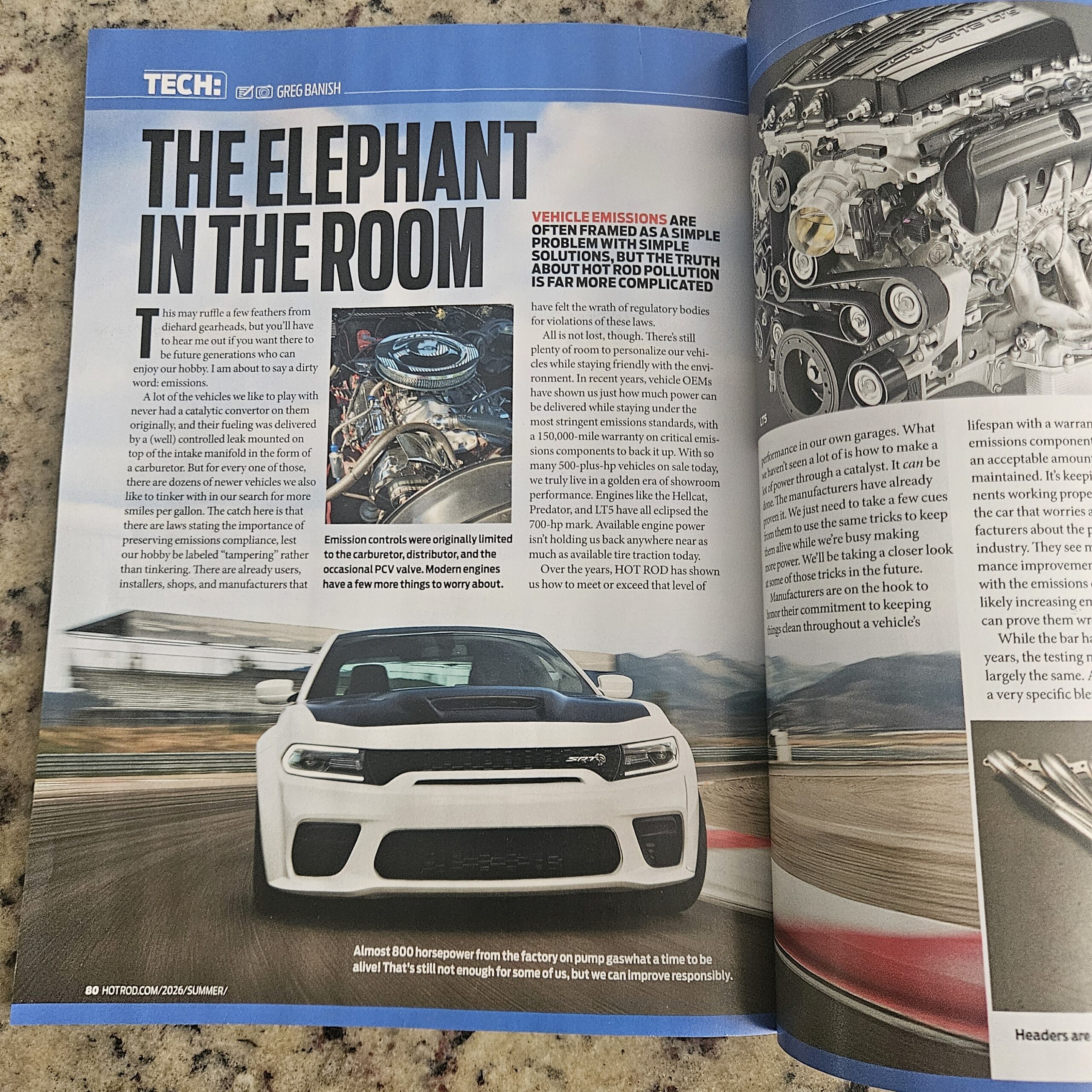
The Elephant in the Room
If we want to leave this hobby of vehicle performance and personalization for the next generation, we’re going to need to do it responsibly. “Emissions” is a dirty word for many performance enthusiasts, the elephant in the room. We can all see what has happened in our industry over the years. Manufacturers, distributors, and shops have been fined for violating the Clean Air Act. The laws have been on the books for decades. The way they are written often reads as a guilty until proven innocent situation too with how they treat “tampering.”
But there’s still good news here. We live in the Golden Era of performance. Never before have so many incredibly powerful vehicles been available on the showroom floor, yet they all pass some of the most stringent emissions standards ever seen. The number of new 500+hp vehicles available today is impressive. At the original writing of the article, GM had not yet released the official numbers on the LT7 in ZR1. Spoiler alert: 1068hp and Bin125 emissions compliance. More good news, our testing has proven that we can make great power with catalytic convertors intact in the aftermarket.
In the article, I also discuss some of the common issues that may lead to poor emissions. Vehicle maintenance is a key factor here. Luckily, as we pointed out in the recent project with Summit Racing Equipment, performance enthusiasts are pretty good about normal maintenance.
Check out the Summer 2026 issue of Hot Rod Magazine for the whole article. We’ll have more great stuff like this coming in the future too. Thanks again to their editor, John McGann for helping get this message out there as we protect the bright future of Hot Rodding.

Speaking at Kettering Research Summit 2026
I was recently asked by Dr. Diane Peters to join a panel discussion at Kettering University. Our topic was how industry and academia collaborate effectively.


The Panel covered a wide range of automotive, power generation, materials, physics and other topics. Dr. Peters dove into how students can deliver value to companies with their capstone projects and theses. We also discussed some of the needs of industry where academic research makes more sense than trying to staff a company’s own research and development team for a single project. Calibrated Success bridges these gaps regularly by filling in for companies that may not have the specific engineering resource needed to measure or test something. We have also worked with Kettering University to bring their engine dynamometer lab online for students and created lab tests that can be repeated as part of their curriculum.
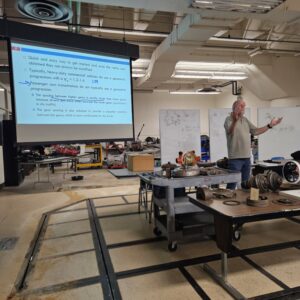
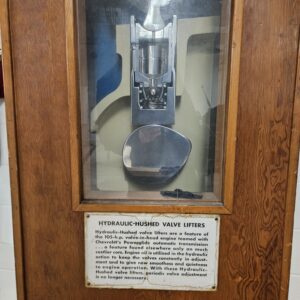
As an added bonus, I was able to sit in on a lecture from Dr. Gregory Davis. He walked undergraduate students through the various tradeoffs involved in gear ratio selection. The campus and buildings there are rich with automotive history. Where else can you be in class where they have the original enlarged cutaway of the first hydraulic valve lifter mechanism?
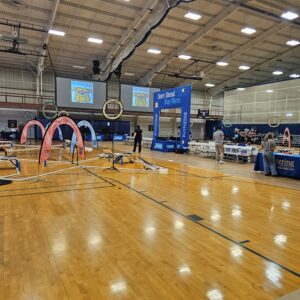
Second bonus: With some extra time, I walked through the Athletic Center too. They were hosting a kids robotics competition that day. I hadn’t been under that roof since I walked across a stage 27 years ago. Rumor has it I may have also won a couple swimming races there back in the 90’s.
Data Collection and Analysis – Beyond the Spark Plugs
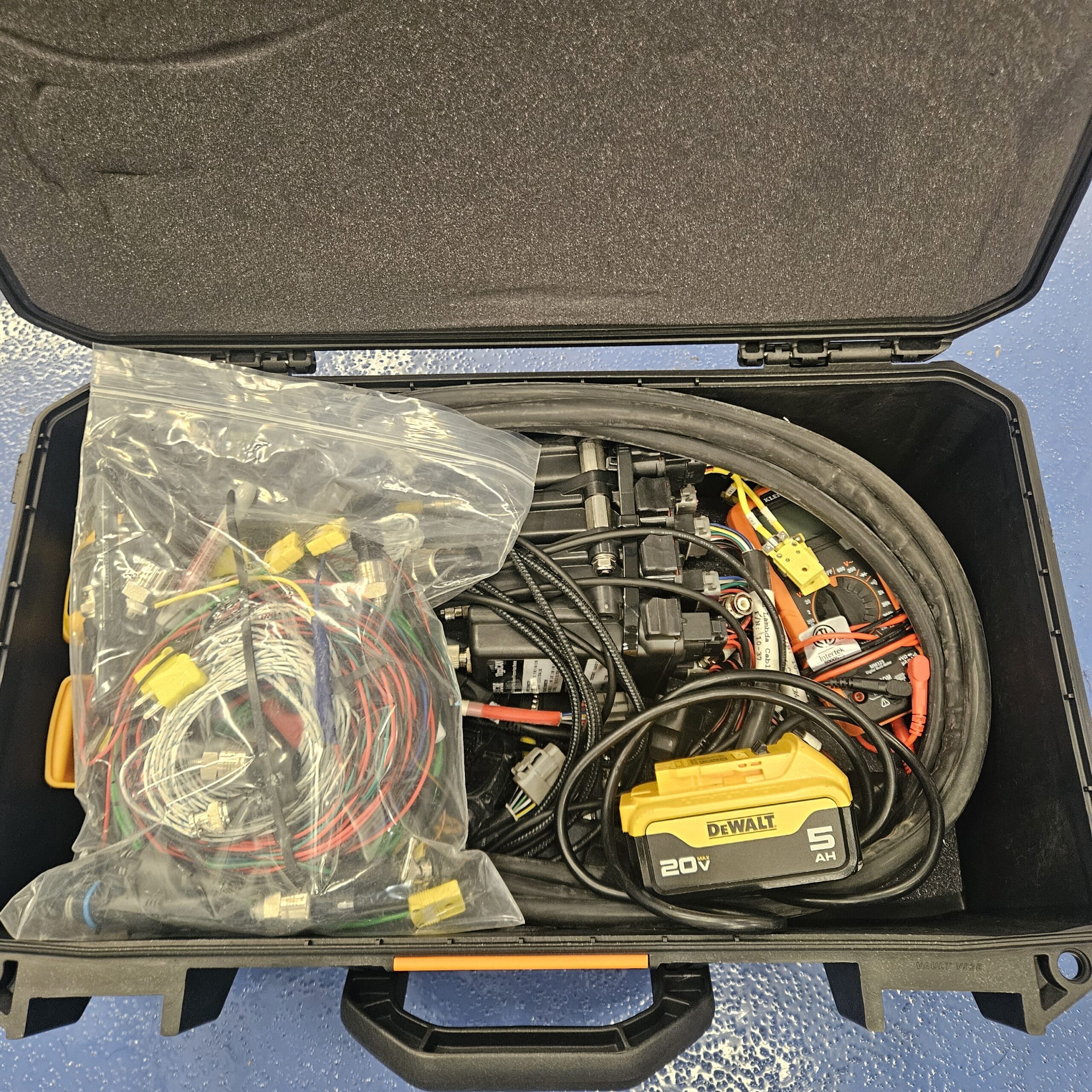
This week’s adventure involved working with a supplier on a heavy duty diesel off highway application. We needed to measure pressure drops across a charge air cooler along with mass air flow and temperatures everywhere. While we don’t normally do a lot work on big diesels, the science at work here is right in line with what we’ve done for years. Interestingly, the airflows on this 775hp diesel were also right in line with what we’ve seen on lots of gasoline powered racecars.

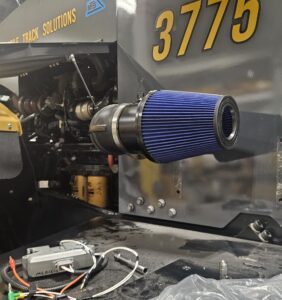
The challenge here was to bring in data from a wide range of sensors to help paint a clear picture of what was happening at high load. Once again, our trusty MiniPEMS kit with an extra input module allowed us to bring the instrumentation lab to the field, literally. This self-contained setup let us record Lambda (and NOx, just for fun), thermocouples, pressure transducers, and a pair of custom lab grade PMAS mass airflow sensors (scaled up versions of the ones we normally use) simultaneously.
Since the PMAS sensors come with a known transfer function from the certification flow bench, we were able to confidently quantify the system airflow. Even better, we were able to cross compare this with a backup calculated airflow generated from ECU fuel flow rate data (provided by the customer’s CAN tools) and our lambda readings. When both methods come up with essentially the same number for mass air flow, we know we’ve got it right.
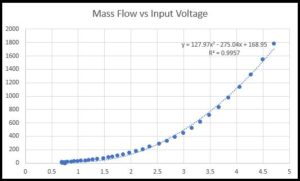
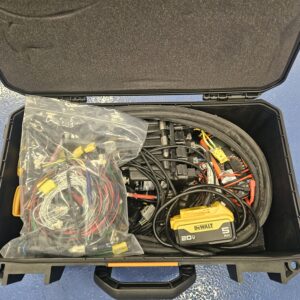
All of this data collection was really just a way to get to the real question. They needed to quantify and understand the root cause of an induction system pressure drop. Not only were we able to give a confident measurement, we also worked with their team to analyze the design to identify a good way to potentially improve performance.
Our favorite comment after testing was:
“You’re the best money we’ve spent on this project so far.”
The Wideband Comparison You’ve Been Waiting For
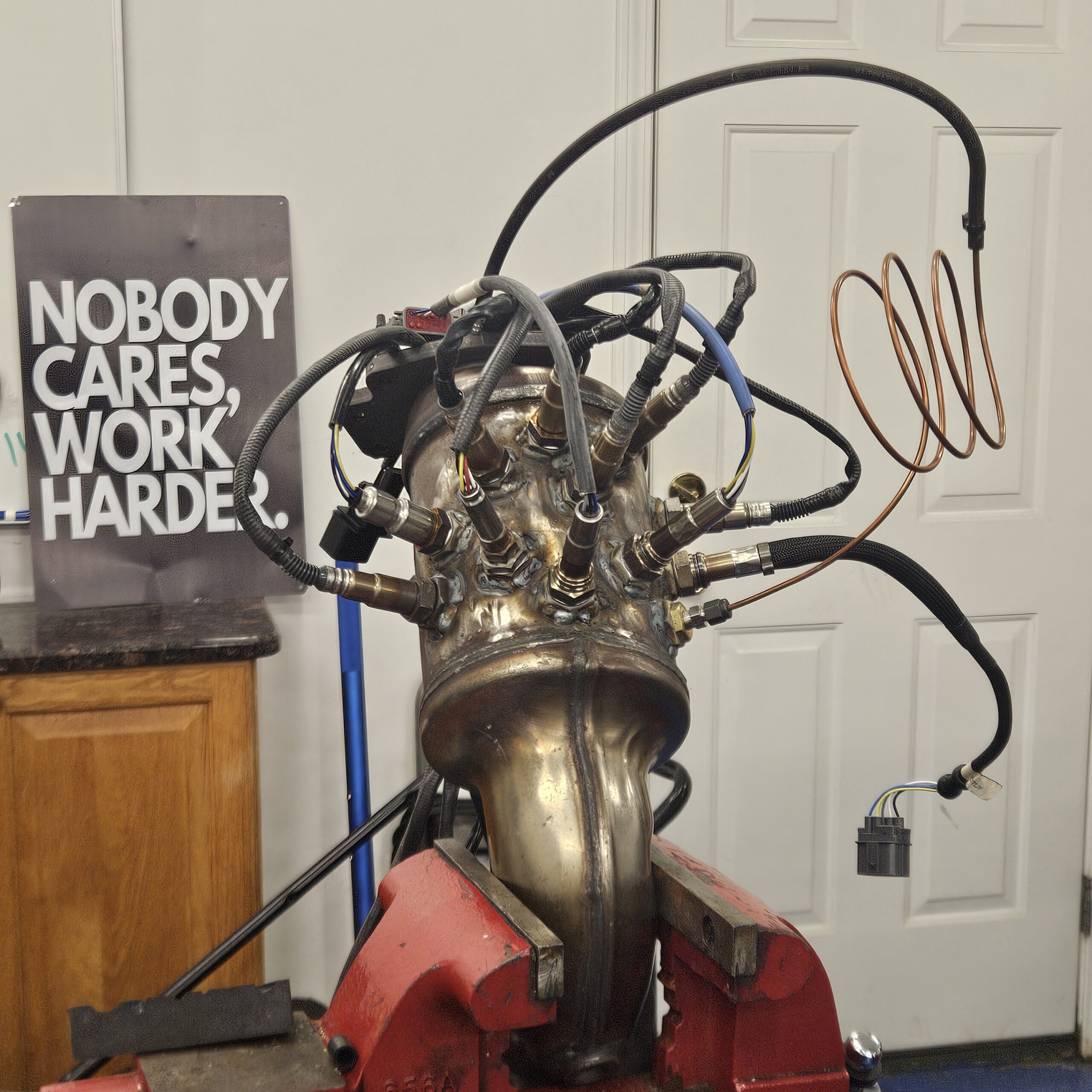
Some of you may have heard that we were testing a bunch of widebands to see how they compared. We opened up the testing and a few companies and good friends sent us additional units to test too. The testing results are finally in after a long time prepping and coordinating.
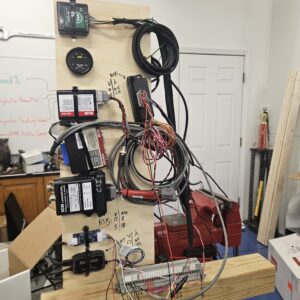
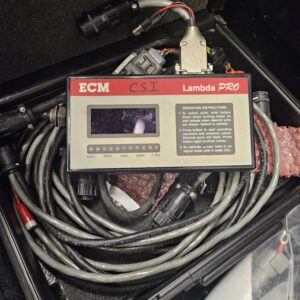
It’s no secret that we love our laboratory grade widebands here at Calibrated Success. Specifically, I’ve been using ECM hardware since 1999 when I got my original LambdaPRO and never looked back. Being able to have a reliable 0-5v analog wideband signal that could be integrated with SCT, HPTuners or almost any other aftermarket tool was priceless when tuning.
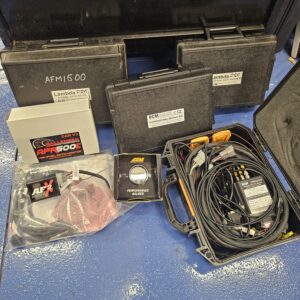
It served me well, and I eventually added others like the AFM1500 (with Serial communication that could integrate with EFI Live), Ballenger AFR500 (also made by ECM), and eventually my latest pressure compensated LambdaCANp. These devices remain my gold standard by which air-fuel ratio is measured in most cases. Although I have also used many of the other units out there too, with mixed results. So we decided to gather as many as we could and test them simultaneously in a controlled environment to see just how wide the spread was across all these different widebands.
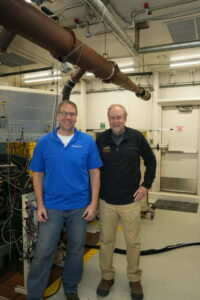
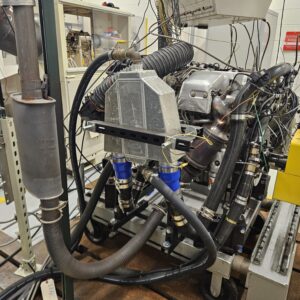
Dr. Davis is one of the few remaining professors still working at Kettering University that I had the pleasure of studying under when I was there long ago. He was nice enough to let us come use his lab and engine to perform the testing that would feed our obsession with lambda data. Their 2.0L turbocharged GM LTG engine was a great candidate because it’s fairly tolerant of running at a wide range of lambdas at various loads and the turbo itself does a great job of helping to mix the exhaust so that all our sensors could get an equal look at what was pumping past them. We made some other changes to the exhaust to further improve mixing and started taking data.
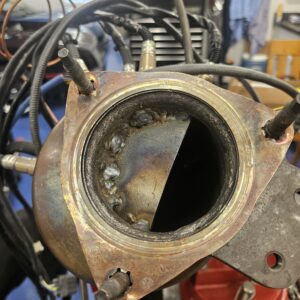
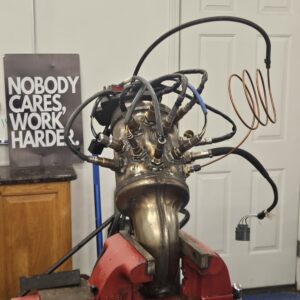
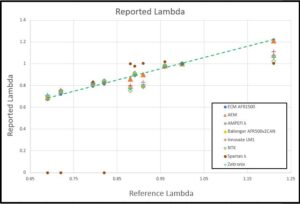
What we found was there most aftermarket widebands are actually pretty decent for general tuning work as long as we recognize the noise factors present in this kind of testing. In this limited comparison, it’s tough to declare a clear winner other than our rock solid laboratory grade units. This steady state testing is really just step one when making comparisons. Ideally, we’d test aged units also to see how they stand up over time since everyone had the benefit of a fresh sensor in this test. That contributed to an overall good showing for almost every unit tested. For professional work, we’ll stick with our professional gear. But for the casual DIY tuner, it’s good to see that some of the more affordable options can work well enough in many cases.
Check out the full article over at HOT ROD Magazine.
Let’s Talk Transmissions – And Why You Might Not Need a Looser torque Convertor
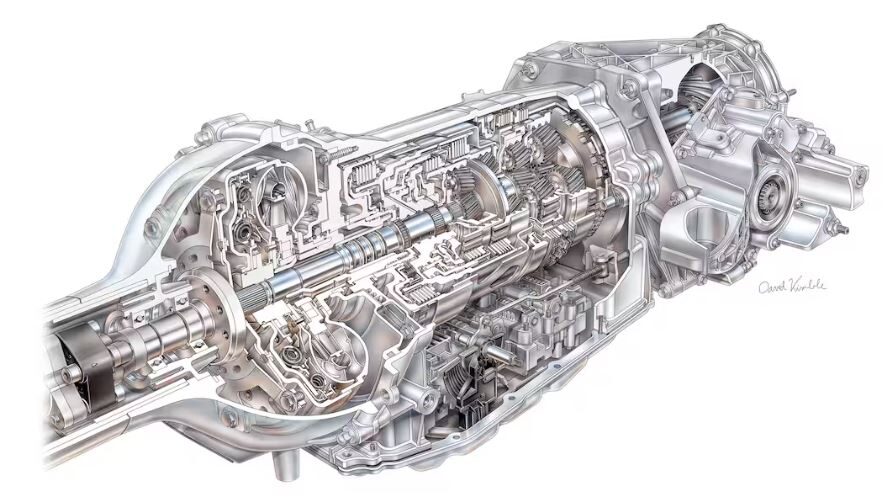
 In a recent article written for Hot Rod Magazine, I dove into the finer points of how modern 6/8/10 speed automatic transmissions work so well to keep the engine right in the sweet spot for acceleration. They often do this with the torque convertor locked most of the time. This means we only care about the slip RPM (K-Factor) right off the line, where traction is often a challenge anyway. The same actually holds true for when we’re looking for peak fuel economy, but who can think of that when we have drag races to win? With more ratios to choose from, the game has changed.
Nailing the example, I used some datalogs from a friend’s 9-second street car to show just how well a modern 8-speed automatic runs.
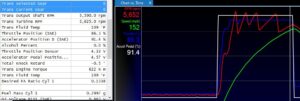
As long as we’ve done our job mapping the engine correctly, these modern transmissions do a great job of executing quick shifts that put the engine right where we want it almost all the time. Better yet, they do this without needing a change to the torque convertor to something that trades more power for slip.
Diagnosing Mismatched Turbos at Hot Rod Magazine
What do we do when these are too small for the application?
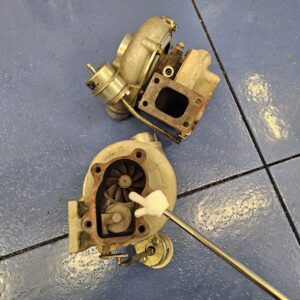
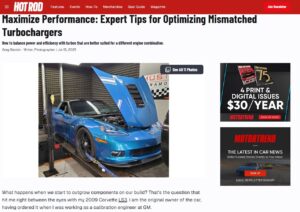
Greg Banish discusses the challenges of diagnosing and dealing with a turbo sizing mismatch in the latest article for Hot Rod Magazine. In this case, what started out as a properly sized turbo quickly became a problem when other upgrades were made to the engine. Adding more airflow is usually a good thing, but this time it has us struggling to deal with that increased flow in a limited exhaust housing size. We took some measurements to accurately assess the problem. Then we took some more measurements and formed a theory on the bench in the tech center. Finally, we brought all of that to the chassis dyno to see how it really worked. The results were eye opening to say the least.
Using a backpressure measurement during testing really helped us see how much stress the smaller turbines were putting on the whole system. It also explained why we were having trouble getting the desired boost levels even though the compressors should have been big enough for the engine. Putting all of this together follows some of the work we routinely do for some of our consulting clients. These lessons can often be translated to other programs, whether the engine is bigger or smaller than the one tested here.
Spoiler alert: we didn’t completely solve our problem in part 1. We did learn some important lessons that we’d like to share about diagnosing the mismatched turbos and how we can deal with them. We also set ourselves up for a strong comeback in part 2 coming soon.