
Catalytic converter tuning is critical to building reliable, emissions-compliant performance engines. While many enthusiasts focus on avoiding knock and mechanical failure, improper spark timing and fueling can generate excessive exhaust gas temperatures that destroy catalytic converters. Even a supposedly “safe tune” can cause expensive damage when a supercharger, turbocharger, or camshaft upgrade changes engine operating conditions.
Fortunately, OEM engineers have spent decades developing strategies to protect catalytic converters in high-horsepower vehicles. Understanding these strategies helps aftermarket tuners deliver more power without sacrificing emissions performance or catalyst durability.
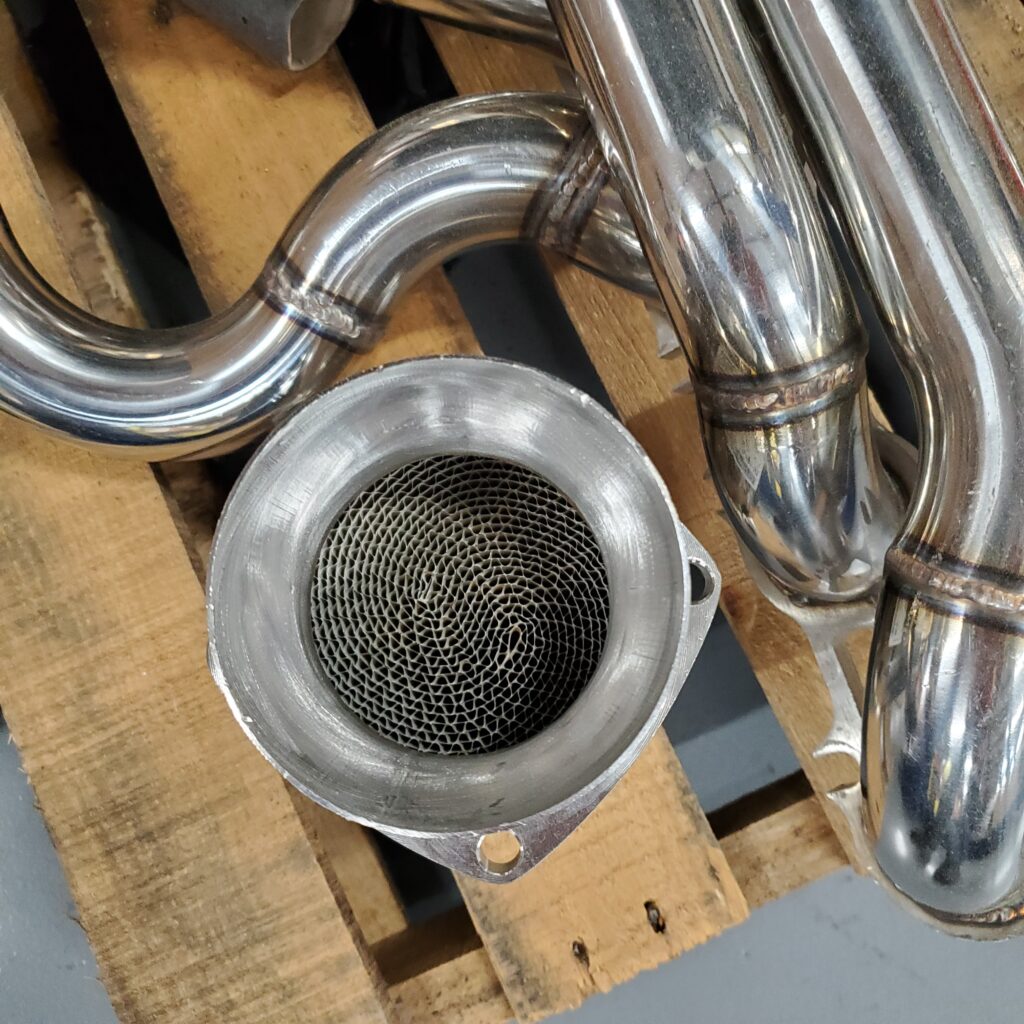
Part 2 of the “Elephant in the Room” articles I wrote for Hot Rod Magazine talks about how catalytic convertors work and how OEMs are able to keep them alive even in high-powered vehicles.
In our first part of this series, we took a look at the various strategies and hardware used by OEMs to help powerful engines pass today’s stringent emissions standards. I mentioned earlier that responsible modification includes keeping critical emissions equipment intact. For gasoline-fueled engines, that primarily means the catalytic convertors in the exhaust.
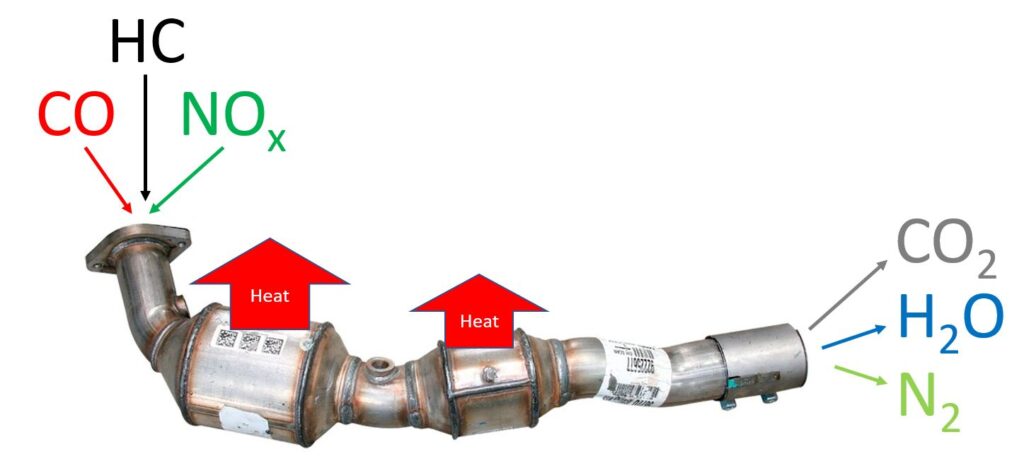
The article first takes a look at what a catalytic convertor is and how it really works. After that, we dive into how this applies to our high performance vehicles. I know we ruffled some feathers in an earlier debate about exhaust temps and “conservative tuning”. I wrote this article long before that debate erupted, and the science remains the same.
Your Safe Tune Might Not Be All That Safe
Less experienced tuners will often send a customer off with what is affectionately called a “safe tune,” where their primary concern was avoiding damage from spark knock or excess rpm. While I certainly agree that these should be avoided, there is more than one way to accomplish the task. I read in forums all too often about enthusiasts who are confused or upset that their cats failed shortly after an upgrade like a supercharger or heads and a cam. The root cause is almost always in the ECU tune instead of their hardware choice. Contrary to popular belief, you do not automatically need a set of long-tube headers and a cat delete just because you installed a supercharger.
The infamous “safe tune” or “starter tune” can be a catalyst’s biggest enemy. Running a lower spark advance at WOT (hoping to avoid knock on a given fuel octane) also tends to drive exhaust gas temperatures upward. When we are flowing massive amounts of air and fuel through the engine, changes in exhaust temperature very quickly translate into changes in catalyst temperature, too. The later the combustion event, the more unburned air and fuel is able to enter the catalyst and feed the fire that may overheat it. Every time the driver goes to WOT, a little more of the precious metal is burned off the substrate or a little more thermal shock occurs to the supporting structure. Cat failure is just a matter of time in these cases.
Need Help with Performance Tuning and Catalyst Protection?
Making more horsepower shouldn’t mean sacrificing catalytic converter durability or emissions compliance. Calibrated Success provides professional ECU calibration support, emissions tuning, and engineering consulting for modified street vehicles, supercharged and turbocharged engines, and aftermarket performance manufacturers.
Whether you’re developing a new performance package or troubleshooting catalyst failures, we can help identify calibration problems and develop solutions based on sound engineering principles.
Learn more about our calibration support services.
Don’t forget to check out how we helped Summit Racing double the power while cutting emissions in half.